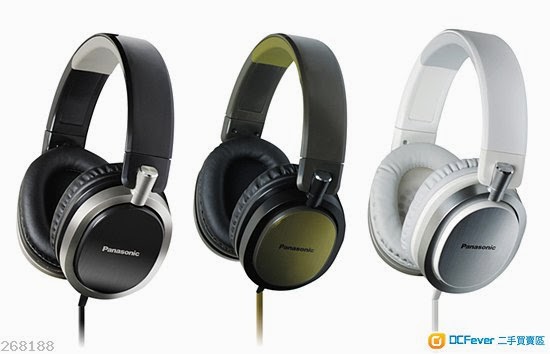
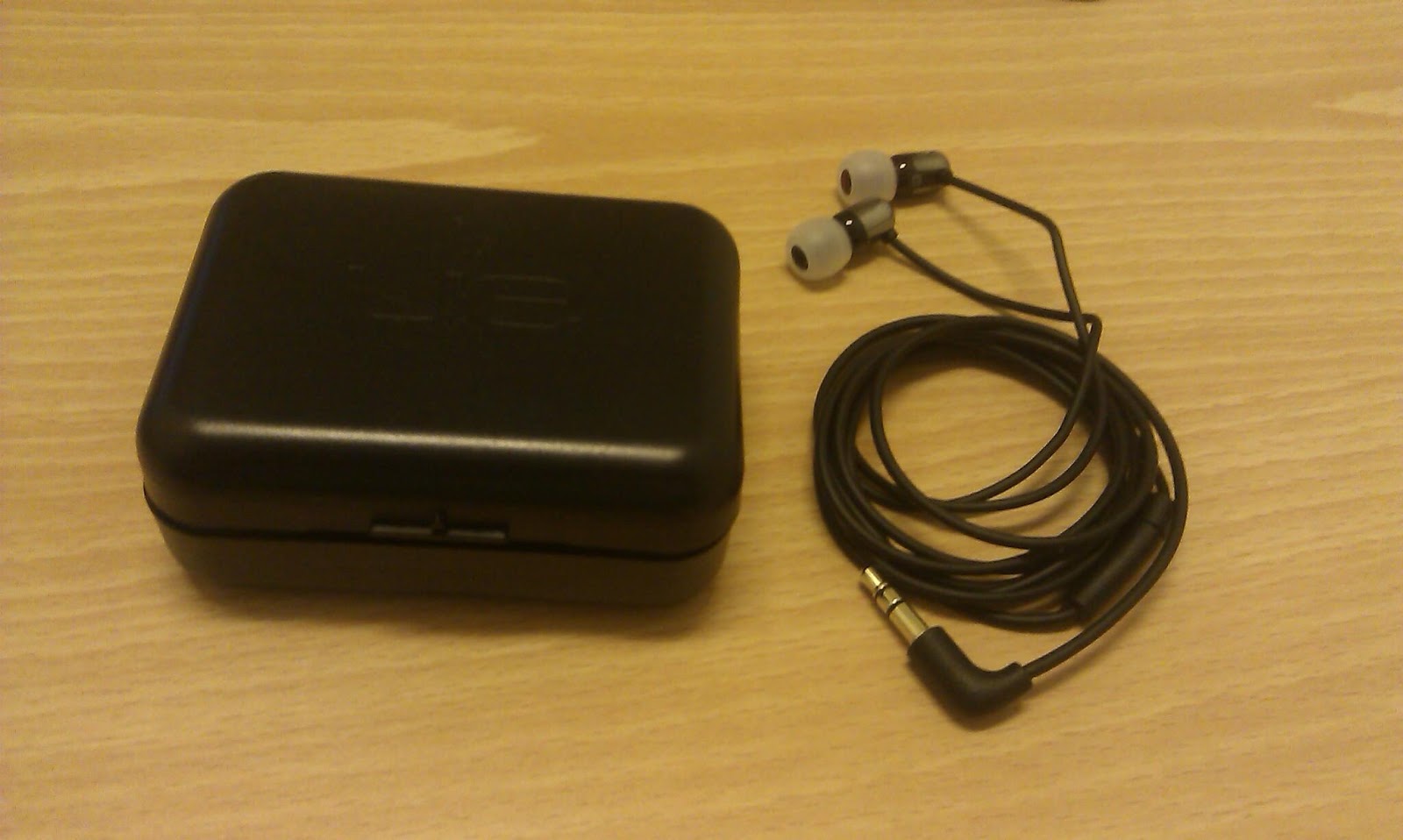
The 3 listed headphones are my favorite headphones. Ultrasone HFI450 has been my loyal companion for years. Now, Sony MDR1RBT Mark II has started taking over its place due to the fact that it has Bluetooth functionality. Then the one headphone that I have always wanted to have but has never been able to own it: Audio Technica M50. All 3 are the definitive all-rounder headphones so you can listen to any music genre you like with any of the 3.
Just a small note, my Holy Grail of headphones is Ultrasone Edition 8.


Any way, let's start the comparison shall we?
Physical Features:
1. Design: Sony MDR1RBT Mark II is the definitive winner
Regardless of anything, I haven't seen any headphone designed to impress. It's one d### sexy headpiece. Matte black finish with a gracefully placed metallic maroon lines, brushed platinum joints and soft luxurious leathers cushioning and padding. Need I say more?
2. Comfort
Okay, soft memory foam-like cushioning brings Sorry MDR1RBT Mark II as the winner. You can wear this baby for hours and never feel uncomfortable. The tightness of the cans has been measured extremely well while others are trying to clamp themselves to my head.
Audio Technica ATH-M50 came second since it's tighter and with firmer foam. Ultrasone HFI450 is also comfortable but it has the hardest foam of the 3. Although I can wear any of the 3 all day.
2. Sound Quality
- Treble/High Frequency
All 3 are have very clear and excellent treble, but Ultrasone HFI450 does sharper and brighter high. Listening to rock and alternative metal songs sounded like the drummer danced with the cymbals in front of my ears, I mean like I'm sitting on the drummer's chair and play the drums. Being an all-rounder headphone, Ultrasone HFI450 is a unit I would recommend to any beginner Headfiers since it is cheaper and you will understand why Hifi or high end headphones are sooo much fuuun.
Both Sony MDR1RBT Mark II and Audio Technica ATH-M50 has controlled treble. Both produce smoother treble in comparison, no harshness but clear and well defined.
- Mid Frequency
Sony MDR1RBT Mark II won this one. This cans certainly have a flatter frequency reproduction with a twist.
The other 2 are definitely tuned to have V-Shaped equalizer so the mid-range frequency are a bit suppressed.
- Bass/Low Frequency
Oh wow, all 3 has bass that I like and each has different characteristics. I will explain why.
First the Ultrasone HFI450. It is tuned as a bass dominant headphone. The bass has enough impact for fun listening but not for bass-head due to the equally lively treble. Ultrasone's S-Logic prevents bass impact to attact my ear drums so that means less fun, but safer/healthier. The detail of the bass is a bit eliminated by the can's limited frequencies reach (20Hz - 20kHz). That also means HFI450 can't really reproduce lower and deeper bass.
Audio Technica ATH-M50 is has bigger frequency range so and it's bass impact is such a legend. It can however reproduce the details of the instruments that place ATH-M50. You can hear the details of the bass and at the same with little loss of details. This is the cans you will love you use for fun and high-spirited listening.
Like Ultrasone HFI450, Sony MDR1RBT Mark II employs a similar technology. It doesn't shoot the music to your ears directly, instead it shoot the music to your ear walls. So the bass impact is more powerful, but not as powerful as ATH-M50 that shoots the music directly to your ear canals. Among the 3, MDR1RBT produces astonishing details and it does play deeper bass. For music listening, MDR1RBT wired is my weapon of choice when listening to complex music since it is capable of producing the most details.
Special Note on Sony MDR1RBT Mark II :
Being a Bluetooth and wired headphone, Sony has dual characteristics. Bluetooth has less details but certainly it's built-in amp drives a slightly powerful bass. While wired, MDR1RBT Mark II is more flat (not truly flat flat) and analytical so less impact on the bass but definitely deeper and detailed bass instruments.
Sound Separation:
Winner Sony MDR1RBT Mark II. It plays the most detailed separation of sound and very natural sounding. The minor upgrade that Sony gave to Mark II is making the headphone Bluetooth listening fun, while wired a tad more analytical quality like the original.
I must say both ATH-M50 and HFI450 is about even in this case.
Sound Staging :
No 1 is of course Sony MDR1RBT Mark II with the slightly crooked positioning of their driver to bounce frequency before reaching listeners ear drums. The music sounded naturally comes from a wider room, like in a studio. I can locate where each musician is located and how far they are from me. Please note the digital music player and the source format plays important role also. Interestingly enough, in Bluetooth mode, MDR1RBT Mark II is better at sound staging compared to the wired mode. It's build-in amp is brilliant.
No 2 is Ultrasone HFI450. The drivers are located below ears so sound travels around ear lobs before landing to ear drums. It is the safest headphone also since it has the least pressure to ear drums no matter how high the volume is. However, its sound staging is different. You feel you place yourself behind the musicians instead of in the musicians circle or in front of them. Think of it like you are sitting on the drummer's seat and listen.
No 3 is Audio Technica ATH-M50. Being a direct blasting headphone, it has the thinnest sound staging. It is a more fun headphone if you don't care about sound staging, but you need to be careful with the volume since it has the highest sound pressure among the 3.
Special Note on Sony MDR1RBT Mark II :
This might not count as music listening headphone, but Sony MDR1RBT Mark II is incredible when used to play movies. I feel like I'm in a theatre. I feel the rumbling of the woofer in action movies and definitely accurate surround sound. If you use the headphone for playing movies, this is my choice of can. It is as if MDR1RBT Mark II has dual personality, for movie watching and high-end music player.
The others don't have such characteristics.
Quiet Tone:
Sony MDR1RBT Mark II wins. It is more quiet then others is presenting zero sound. Usually it marks the higher end of headphones driver.
Final Judgement
All 3 has different characteristics and each has its own extra points. I personally now grab MDR1RBT Mark II more often since it delivers musics and movies the way I love. It does have drawbacks especially when listening to lower end recordings, despite of the masking Sony system does, I still can hear the imperfections. I prefer to use the Bluetooth functionality when listening through a smartphone, especially lower quality songs recording. But each headphone has its own merits and worth the purchase. I love all 3 cans but favor Sony and Ultrasone.
Just a small note, my Holy Grail of headphones is Ultrasone Edition 8.


Any way, let's start the comparison shall we?
Physical Features:
1. Design: Sony MDR1RBT Mark II is the definitive winner
Regardless of anything, I haven't seen any headphone designed to impress. It's one d### sexy headpiece. Matte black finish with a gracefully placed metallic maroon lines, brushed platinum joints and soft luxurious leathers cushioning and padding. Need I say more?
2. Comfort
Okay, soft memory foam-like cushioning brings Sorry MDR1RBT Mark II as the winner. You can wear this baby for hours and never feel uncomfortable. The tightness of the cans has been measured extremely well while others are trying to clamp themselves to my head.
Audio Technica ATH-M50 came second since it's tighter and with firmer foam. Ultrasone HFI450 is also comfortable but it has the hardest foam of the 3. Although I can wear any of the 3 all day.
2. Sound Quality
- Treble/High Frequency
All 3 are have very clear and excellent treble, but Ultrasone HFI450 does sharper and brighter high. Listening to rock and alternative metal songs sounded like the drummer danced with the cymbals in front of my ears, I mean like I'm sitting on the drummer's chair and play the drums. Being an all-rounder headphone, Ultrasone HFI450 is a unit I would recommend to any beginner Headfiers since it is cheaper and you will understand why Hifi or high end headphones are sooo much fuuun.
Both Sony MDR1RBT Mark II and Audio Technica ATH-M50 has controlled treble. Both produce smoother treble in comparison, no harshness but clear and well defined.
- Mid Frequency
Sony MDR1RBT Mark II won this one. This cans certainly have a flatter frequency reproduction with a twist.
The other 2 are definitely tuned to have V-Shaped equalizer so the mid-range frequency are a bit suppressed.
- Bass/Low Frequency
Oh wow, all 3 has bass that I like and each has different characteristics. I will explain why.
First the Ultrasone HFI450. It is tuned as a bass dominant headphone. The bass has enough impact for fun listening but not for bass-head due to the equally lively treble. Ultrasone's S-Logic prevents bass impact to attact my ear drums so that means less fun, but safer/healthier. The detail of the bass is a bit eliminated by the can's limited frequencies reach (20Hz - 20kHz). That also means HFI450 can't really reproduce lower and deeper bass.
Audio Technica ATH-M50 is has bigger frequency range so and it's bass impact is such a legend. It can however reproduce the details of the instruments that place ATH-M50. You can hear the details of the bass and at the same with little loss of details. This is the cans you will love you use for fun and high-spirited listening.
Like Ultrasone HFI450, Sony MDR1RBT Mark II employs a similar technology. It doesn't shoot the music to your ears directly, instead it shoot the music to your ear walls. So the bass impact is more powerful, but not as powerful as ATH-M50 that shoots the music directly to your ear canals. Among the 3, MDR1RBT produces astonishing details and it does play deeper bass. For music listening, MDR1RBT wired is my weapon of choice when listening to complex music since it is capable of producing the most details.
Special Note on Sony MDR1RBT Mark II :
Being a Bluetooth and wired headphone, Sony has dual characteristics. Bluetooth has less details but certainly it's built-in amp drives a slightly powerful bass. While wired, MDR1RBT Mark II is more flat (not truly flat flat) and analytical so less impact on the bass but definitely deeper and detailed bass instruments.
Sound Separation:
Winner Sony MDR1RBT Mark II. It plays the most detailed separation of sound and very natural sounding. The minor upgrade that Sony gave to Mark II is making the headphone Bluetooth listening fun, while wired a tad more analytical quality like the original.
I must say both ATH-M50 and HFI450 is about even in this case.
Sound Staging :
No 1 is of course Sony MDR1RBT Mark II with the slightly crooked positioning of their driver to bounce frequency before reaching listeners ear drums. The music sounded naturally comes from a wider room, like in a studio. I can locate where each musician is located and how far they are from me. Please note the digital music player and the source format plays important role also. Interestingly enough, in Bluetooth mode, MDR1RBT Mark II is better at sound staging compared to the wired mode. It's build-in amp is brilliant.
No 2 is Ultrasone HFI450. The drivers are located below ears so sound travels around ear lobs before landing to ear drums. It is the safest headphone also since it has the least pressure to ear drums no matter how high the volume is. However, its sound staging is different. You feel you place yourself behind the musicians instead of in the musicians circle or in front of them. Think of it like you are sitting on the drummer's seat and listen.
No 3 is Audio Technica ATH-M50. Being a direct blasting headphone, it has the thinnest sound staging. It is a more fun headphone if you don't care about sound staging, but you need to be careful with the volume since it has the highest sound pressure among the 3.
Special Note on Sony MDR1RBT Mark II :
This might not count as music listening headphone, but Sony MDR1RBT Mark II is incredible when used to play movies. I feel like I'm in a theatre. I feel the rumbling of the woofer in action movies and definitely accurate surround sound. If you use the headphone for playing movies, this is my choice of can. It is as if MDR1RBT Mark II has dual personality, for movie watching and high-end music player.
The others don't have such characteristics.
Quiet Tone:
Sony MDR1RBT Mark II wins. It is more quiet then others is presenting zero sound. Usually it marks the higher end of headphones driver.
Final Judgement
All 3 has different characteristics and each has its own extra points. I personally now grab MDR1RBT Mark II more often since it delivers musics and movies the way I love. It does have drawbacks especially when listening to lower end recordings, despite of the masking Sony system does, I still can hear the imperfections. I prefer to use the Bluetooth functionality when listening through a smartphone, especially lower quality songs recording. But each headphone has its own merits and worth the purchase. I love all 3 cans but favor Sony and Ultrasone.